

A health and safety management system should help people understand hazards, control risks, and raise concerns before harm occurs. ISO 45001 provides requirements for an occupational health and safety management system. Implementation needs active leadership and worker participation, with controls that fit the workplace and applicable obligations.
Understand work as it actually happens
Observe routine tasks, maintenance, unusual jobs, and work carried out by contractors. Consider who may be affected, including visitors and others relevant to the workplace. Discuss conditions with the people performing the tasks. A procedure written from an office may miss practical hazards created by equipment layout, time pressure, changing shifts, or workarounds.
Identify hazards and assess risks
Use a consistent process to identify hazards and evaluate occupational health and safety risks. Consider physical, chemical, biological, ergonomic, and psychosocial factors where relevant. Review applicable legal and other requirements with competent support. Risk assessment should lead to decisions about controls and responsibilities, rather than becoming a document stored away until the next audit.
Choose effective controls
Apply the hierarchy of controls when determining measures, considering elimination and safer alternatives before relying only on personal protective equipment. The appropriate solution depends on the hazard and work context. Check whether controls are used correctly and whether they introduce new risks. Where specialist assessment is necessary, involve competent professionals rather than treating a general checklist as sufficient.
Make participation practical
Create ways for workers to contribute to hazard identification, planning, and improvement. Remove barriers that discourage reporting. Clarify responsibilities and provide relevant instruction, training, and supervision. Workers need to understand how to report a concern and what happens next. Participation is stronger when people can see that their input leads to action or a clear explanation.
Test preparedness and review results
Plan responses to relevant emergencies, coordinate with appropriate parties, and test arrangements where practical. Investigate incidents and near misses to understand causes and prevent recurrence. Monitor controls and meaningful leading indicators alongside incident data. Complete internal audits and management reviews, then verify that corrective actions have addressed the underlying issue.
Consult the current applicable standard and local requirements when planning your system. Sarck Solution can support management system preparation and documentation, while technical safety decisions require suitable competence. Certification assessment is performed independently and does not substitute for effective day-to-day protection of workers.
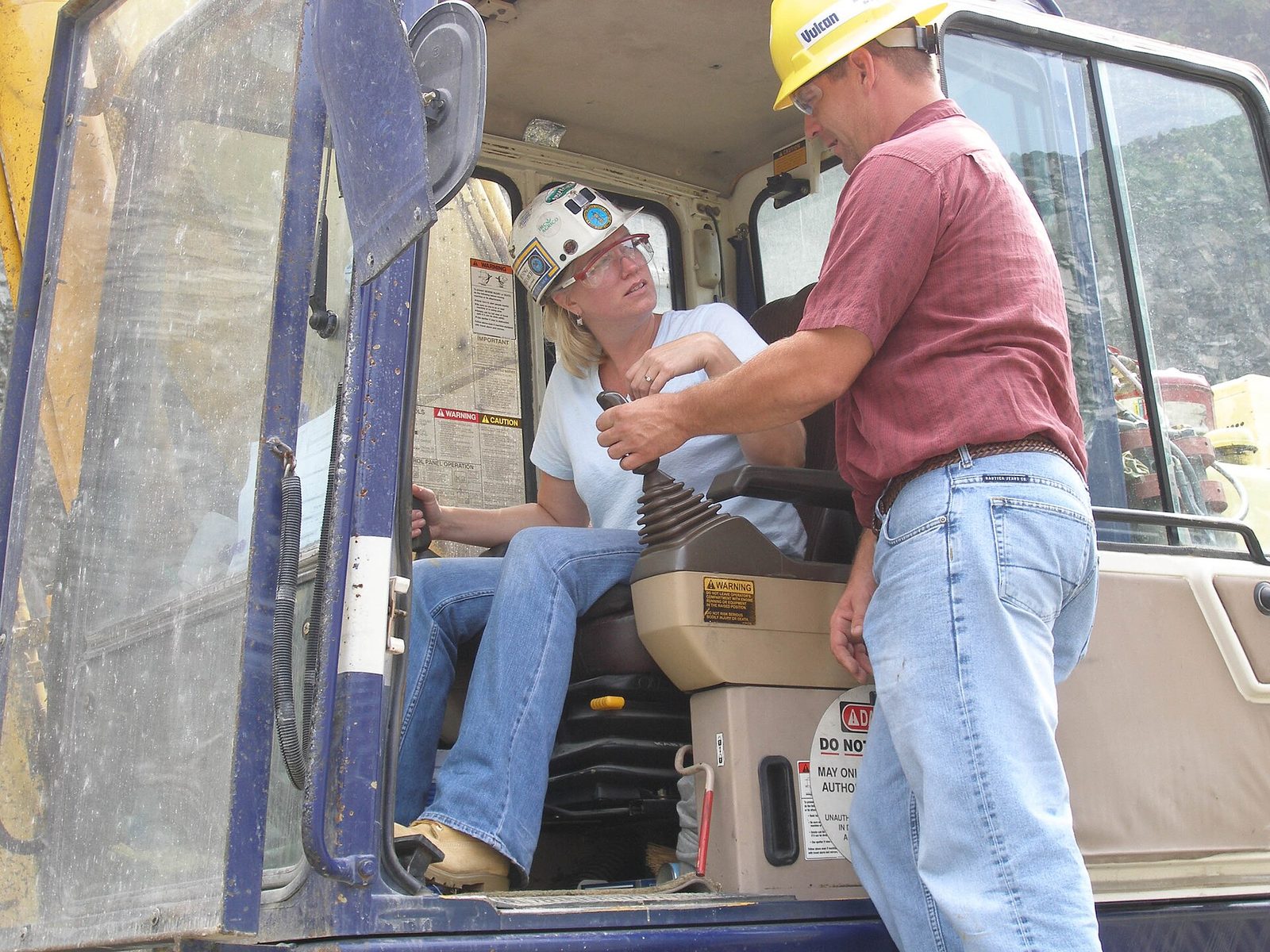
Cover photo: National Institute for Occupational Safety and Health (NIOSH) from USA via Wikimedia Commons, Public domain (resized).